

Dermaplaning Full Facial (Series of 3) Gallery
$$MultiPurposeText$$
See examples of our Dermaplaning Full Facial (Series of 3) work and results.


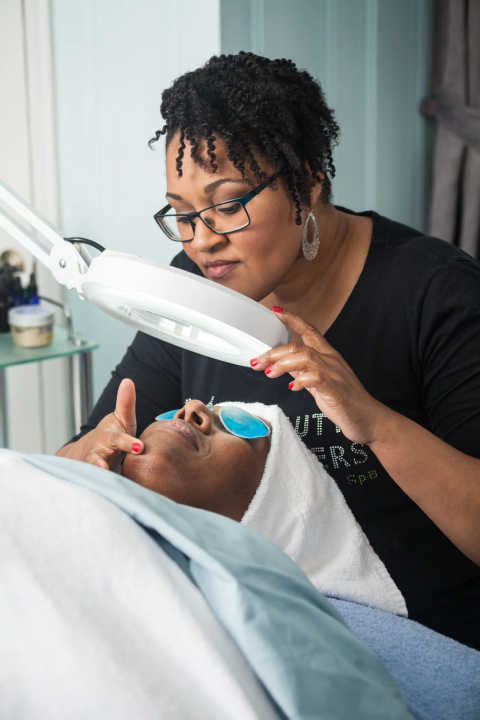


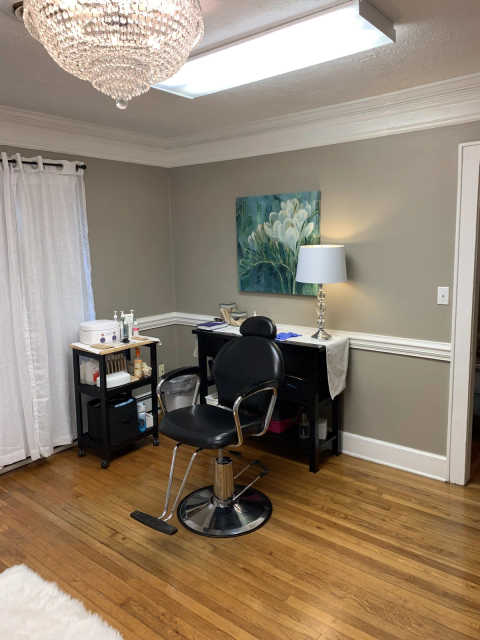


What Our Clients Say
$$MultiPurposeText$$
Read testimonials from our satisfied customers

I had another incredible experience at Beauty by Bowers Day Spa today! I received an amazi...more

I had an amazing facial with Jamecia! I came in with very tired skin and left feeling like...more

The signature facial was amazing. A very relaxing, soothing, clean atmosphere, too! I alre...more

Had my first facial here today and it was so relaxing and calming. My skin feels and looks...more

My experience at Beauty By Bowers Day Spa has been amazing. I typically go in for eyebrow ...more

I received the The Signature Facial and it was amazing. My skin looked a thousand times be...more

Frequently Asked Questions
Get answers to common questions about Dermaplaning Full Facial (Series of 3).
We recommend scheduling sessions every 4–6 weeks; the three-part series is typically spaced to allow skin renewal between treatments. This timeline promotes cumulative improvement, consistent exfoliation, and long-term results while monitoring sensitivity and adjusting timing as needed.
Yes—dermaplaning can be safe for many sensitive skin types when performed gently by a licensed esthetician. We perform a consultation and patch assessment first, modify pressure and products, and avoid treatment if irritation or certain inflammatory conditions are present.
No—hair does not grow back thicker or darker. Dermaplaning removes the fine vellus hair and dead skin, producing a softer regrowth. Over the series, texture appears finer and smoother; regular treatments maintain an even, polished surface.
You may apply makeup after treatment, though we recommend waiting several hours to let the skin calm. Because dermaplaning increases product absorption, use non-irritating makeup and always apply broad-spectrum sunscreen the same day to protect freshly exfoliated skin.
Before your appointment avoid retinoids, strong exfoliants, and recent chemical treatments for several days. After each session use gentle cleansers and moisturizers, avoid harsh actives for 48–72 hours, and protect skin daily with SPF to support healing and results.
Ideal candidates seek smoother texture, reduced peach fuzz, and brighter skin. Those with active cystic acne, open wounds, or certain inflammatory conditions may not be suitable. A brief consult determines candidacy and customizes the series for your skin’s specific needs.
Read more about Dermaplaning Full Facial (Series of 3)
$$MultiPurposeText$$
Explore our latest insights and guides on Dermaplaning Full Facial (Series of 3).
