

Chemical Facial Peel Gallery
$$MultiPurposeText$$
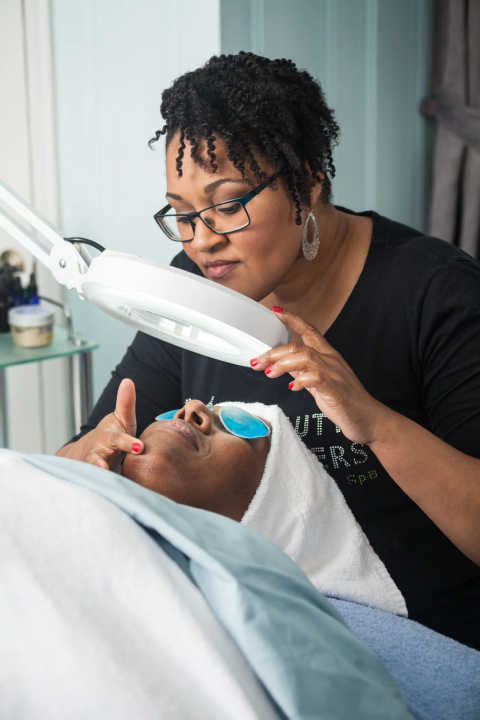
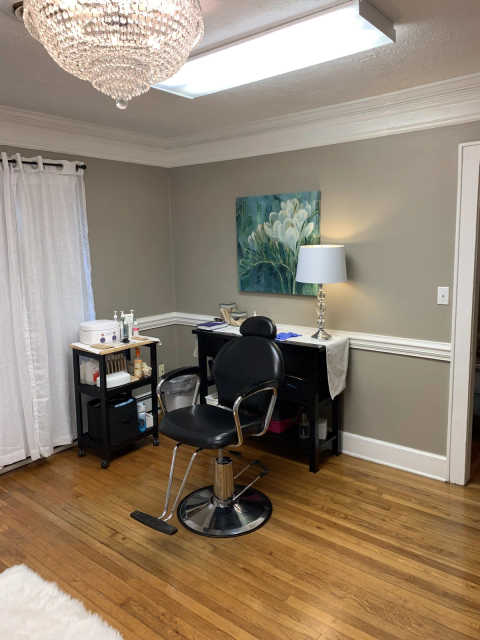
See examples of our Chemical Facial Peel work and results.





What Our Clients Say
$$MultiPurposeText$$
Read testimonials from our satisfied customers

I had another incredible experience at Beauty by Bowers Day Spa today! I received an amazi...more

I had an amazing facial with Jamecia! I came in with very tired skin and left feeling like...more

The signature facial was amazing. A very relaxing, soothing, clean atmosphere, too! I alre...more

Had my first facial here today and it was so relaxing and calming. My skin feels and looks...more

My experience at Beauty By Bowers Day Spa has been amazing. I typically go in for eyebrow ...more

I received the The Signature Facial and it was amazing. My skin looked a thousand times be...more

Frequently Asked Questions
Get answers to common questions about Chemical Facial Peel.
A Chemical Facial Peel uses medical-grade acids to dissolve dead skin cells and stimulate cell renewal, revealing fresher skin. We select formulations based on your concern—acne, lightening, or aging—after a personalized consultation and skin analysis.
For acne-prone or oily skin, we typically recommend salicylic acid or a blend formulated to reduce oil and clear pores. Your esthetician will assess skin type and severity to choose a gentle but effective peel.
Peeling varies by peel strength and skin type: some experience light flaking while deeper peels produce more noticeable shedding. Your technician will explain expected recovery, downtime, and at-home care to manage peeling comfortably.
Most clients see improvement after one session, but a series (usually 3–6 treatments spaced weeks apart) provides the best long-term results for pigmentation, acne, and anti-aging concerns. Your treatment plan will be personalized.
Peels can be safe for sensitive or darker skin when properly selected and performed conservatively. We perform thorough consultations and patch testing to minimize risks like irritation or post-inflammatory hyperpigmentation.
Aftercare includes gentle cleansing, broad-spectrum SPF, moisturization, and avoiding harsh products or sun exposure. We provide a tailored post-peel regimen and follow-up guidance to support healing and optimize results.
Read more about Chemical Facial Peel
$$MultiPurposeText$$
Explore our latest insights and guides on Chemical Facial Peel.
