

Microdermabrasion Add On Gallery
$$MultiPurposeText$$
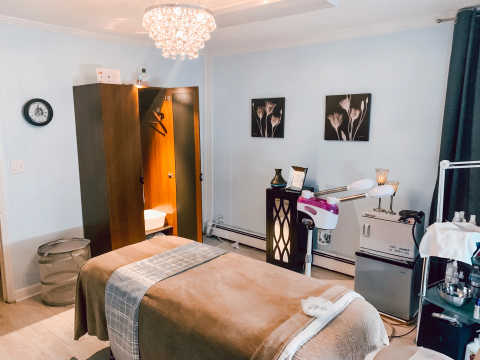
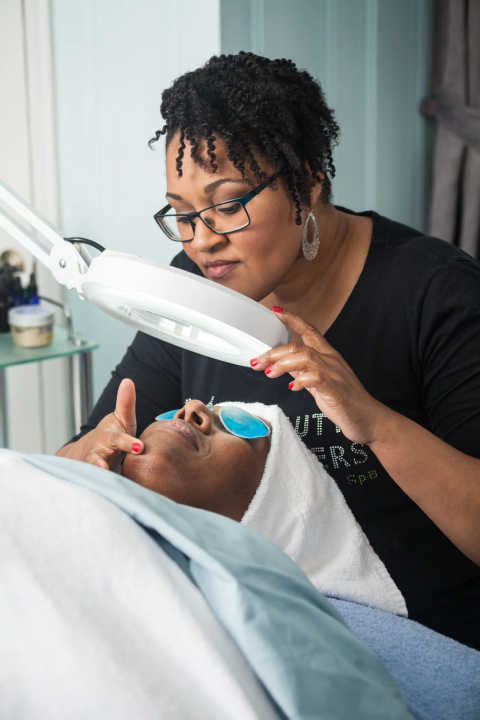
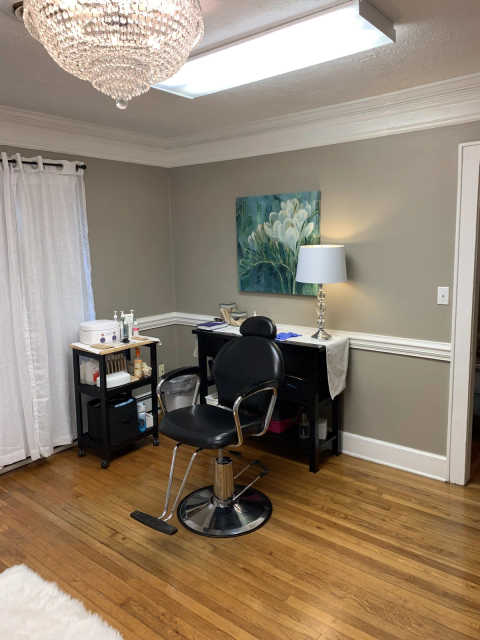
See examples of our Microdermabrasion Add On work and results.





What Our Clients Say
$$MultiPurposeText$$
Read testimonials from our satisfied customers

I had another incredible experience at Beauty by Bowers Day Spa today! I received an amazi...more

I had an amazing facial with Jamecia! I came in with very tired skin and left feeling like...more

Great experience from beginning to end

Jamecia did an amazing job on my bridal party's makeup! She made each of them look and fee...more

Thank you Beauty by Bowers! You did an absolutely amazing job with my wedding day makeup. ...more

For nearly 10 years, Beauty by Bowers has been my go to makeup and skin care spot when I v...more

Frequently Asked Questions
Get answers to common questions about Microdermabrasion Add On.
Yes, many sensitive skin clients can receive a gentler microdermabrasion using organic grains or lower settings. Your esthetician will perform a skin assessment and customize pressure; patch testing may be recommended for highly reactive skin or conditions.
Downtime is minimal. Most clients experience mild redness or sensitivity for a few hours up to 48 hours. Avoid direct sun, strenuous exercise, and heavy makeup for the first day to allow skin to calm and heal.
For visible improvement, schedule microdermabrasion every 3–6 weeks depending on skin type and concerns. Your esthetician will recommend a personalized plan based on goals like texture smoothing, brightness, or maintenance.
Most clients feel only a light abrasion or scratchy sensation. Treatments are typically well tolerated; settings are adjusted for comfort. Topical numbing is rarely necessary and is evaluated case-by-case.
Microdermabrasion can improve superficial acne scarring, uneven texture, and fine lines by promoting cell turnover. Multiple sessions yield better results; deeper scars may require combined modalities like peels or microneedling.
Use gentle cleanser and moisturizer, avoid active exfoliants or retinoids for 3–7 days, and apply broad-spectrum SPF daily. Keep skin hydrated and avoid heat treatments until sensitivity subsides.