

Enzyme/Chemical Peel Add On Gallery
$$MultiPurposeText$$
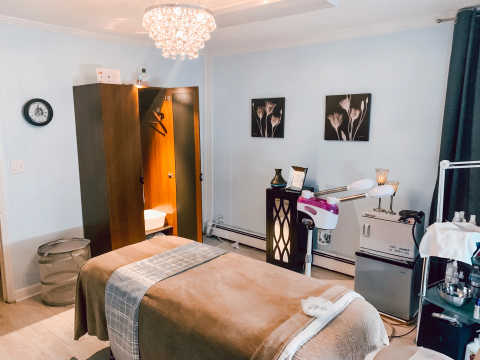
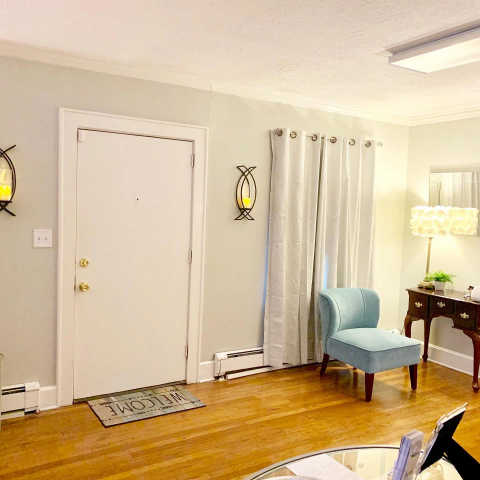
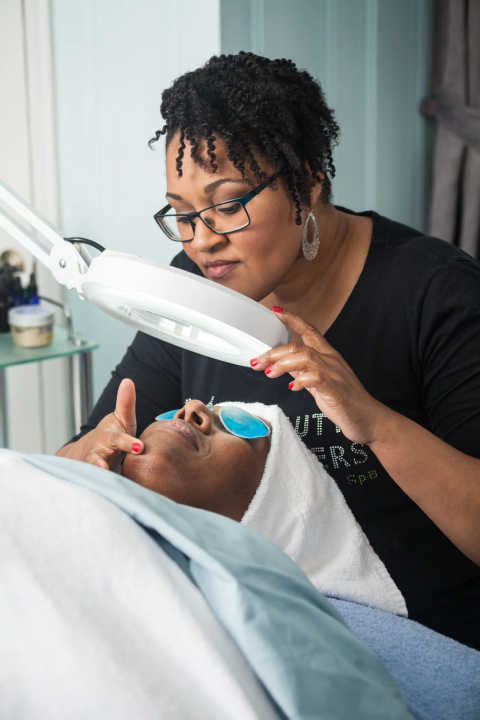
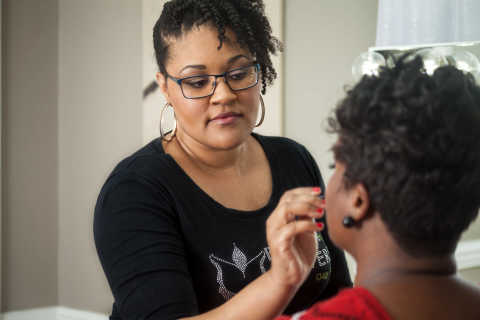
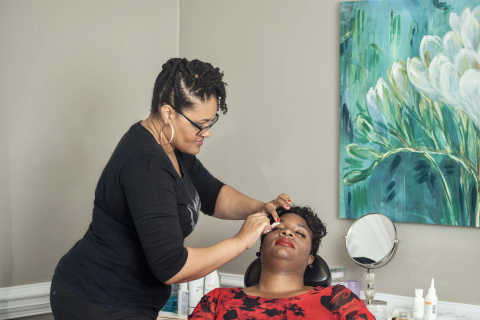
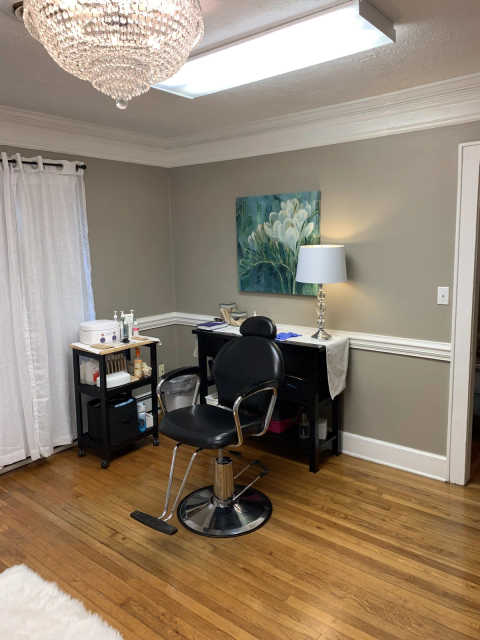
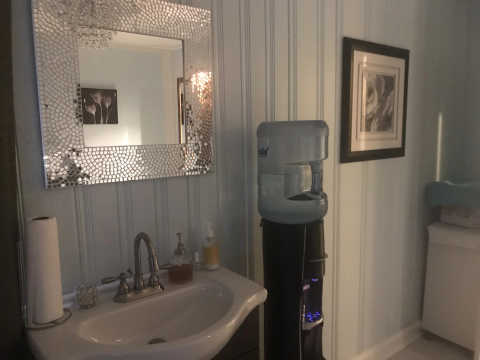
See examples of our Enzyme/Chemical Peel Add On work and results.

What Our Clients Say
$$MultiPurposeText$$
Read testimonials from our satisfied customers

I had another incredible experience at Beauty by Bowers Day Spa today! I received an amazi...more

I had an amazing facial with Jamecia! I came in with very tired skin and left feeling like...more

Great experience from beginning to end

Jamecia did an amazing job on my bridal party's makeup! She made each of them look and fee...more

Thank you Beauty by Bowers! You did an absolutely amazing job with my wedding day makeup. ...more

For nearly 10 years, Beauty by Bowers has been my go to makeup and skin care spot when I v...more

Frequently Asked Questions
Get answers to common questions about Enzyme/Chemical Peel Add On.
You’ll experience a focused exfoliation after your microdermabrasion or dermaplaning facial. The specialist applies the selected peel for a controlled time, then neutralizes and soothes the skin. Mild tingling or warmth is normal; redness typically subsides within hours to a day.
Yes when properly selected. We assess your skin, medical history, and sensitivity before choosing a milder enzyme or low-concentration chemical peel. Post-care and follow-up recommendations minimize irritation. Some redness or flaking may occur, but we tailor treatments to reduce risk.
Many clients notice immediate improvement in brightness and texture within days. Optimal results, including reduced discoloration and pore clarity, develop over several weeks as skin renews. A series of treatments and proper home care enhance and prolong outcomes.
Absolutely. This add-on is designed to complement microdermabrasion or dermaplaning facials, enhancing exfoliation and results. Our specialists will coordinate timing and formulas to prevent over-sensitizing skin, ensuring treatments work synergistically for optimal safety and effectiveness.
Downtime is generally minimal. Expect temporary redness, slight flaking, or sensitivity for one to three days depending on peel strength. Avoid sun exposure, use SPF, and follow post-care instructions. We recommend gentle products and hydration to support healing.
Yes. Active infections, open wounds, recent isotretinoin use, certain skin conditions, or recent Botox/filler (within recommended windows) may disqualify you. We perform a thorough consultation and medical history review to determine safety and recommend alternatives if needed.