

Carboxy Therapy Addition Gallery
$$MultiPurposeText$$
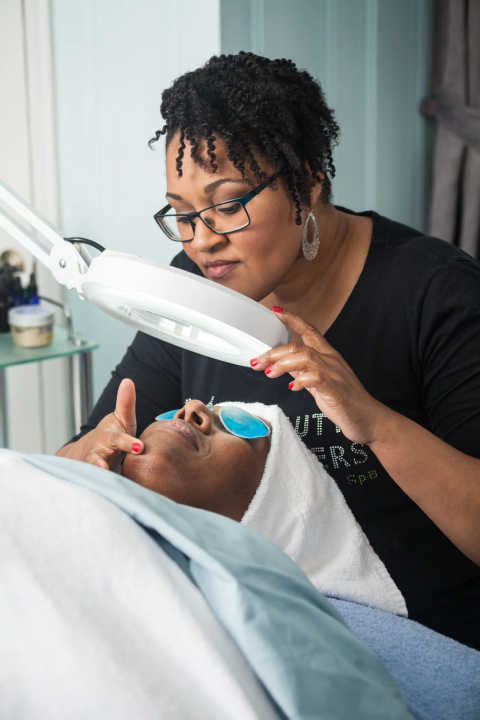
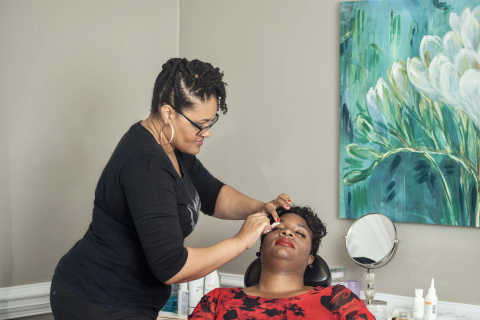
See examples of our Carboxy Therapy Addition work and results.






What Our Clients Say
$$MultiPurposeText$$
Read testimonials from our satisfied customers

I had another incredible experience at Beauty by Bowers Day Spa today! I received an amazi...more

I had an amazing facial with Jamecia! I came in with very tired skin and left feeling like...more

Great experience from beginning to end

Jamecia did an amazing job on my bridal party's makeup! She made each of them look and fee...more

Thank you Beauty by Bowers! You did an absolutely amazing job with my wedding day makeup. ...more

For nearly 10 years, Beauty by Bowers has been my go to makeup and skin care spot when I v...more

Frequently Asked Questions
Get answers to common questions about Carboxy Therapy Addition.
Yes—when performed by our trained estheticians, carboxy therapy is generally safe for most skin types. We perform a consultation to review medical history, sensitivities, and contraindications to ensure the treatment is appropriate and tailored to your skin's needs.
The addition typically takes 15–30 minutes depending on targeted areas. When combined with a facial, expect a slightly longer appointment. Your esthetician will discuss timing during booking and customize the duration for optimal results.
Mild bruising or tenderness can occur in sensitive individuals, but most clients experience minimal discomfort. Any bruising usually resolves within a few days to a week. Our estheticians provide aftercare tips to reduce swelling, protect skin, and speed recovery.
Many clients notice improvement after one session, but a series of 3–6 treatments spaced weekly or biweekly is often recommended for lasting benefits. Your esthetician will assess your skin and create a personalized plan for best results.
Yes—it's an excellent booster for facials, enhancing results from exfoliation, masks, and serums. Our team will recommend the safest and most effective combinations based on your skin goals, ensuring treatments complement rather than irritate the skin.
Yes—pregnancy, active infections, recent use of certain medications, and uncontrolled medical conditions may contraindicate treatment. We require a consultation and medical history review to identify risks. Follow pre-treatment guidelines, like avoiding blood thinners and recent retinoid use, for safer outcomes.